“Restorative justice is about the future, not the past." — Howard Zehr
This philosophy is distinctly American. Restorative justice doesn't excuse what a young person has done. It insists they reckon with it, make amends, and move forward. The Declaration of Independence doesn't promise citizens safety from their past mistakes. It guarantees something far more forward-looking: the unalienable right to "Life, Liberty, and the pursuit of Happiness."
The Founders weren't writing a document about punishment or blame. They were writing one about potential and becoming. A justice system that forecloses a young person's future runs counter to the very promise this nation was founded upon.
Restorative justice, then, isn't a modern or radical idea. It's an argument that the American Dream was never meant to be a photograph, a fixed and damning moment, but a movie still rolling, whose best scenes lie ahead.
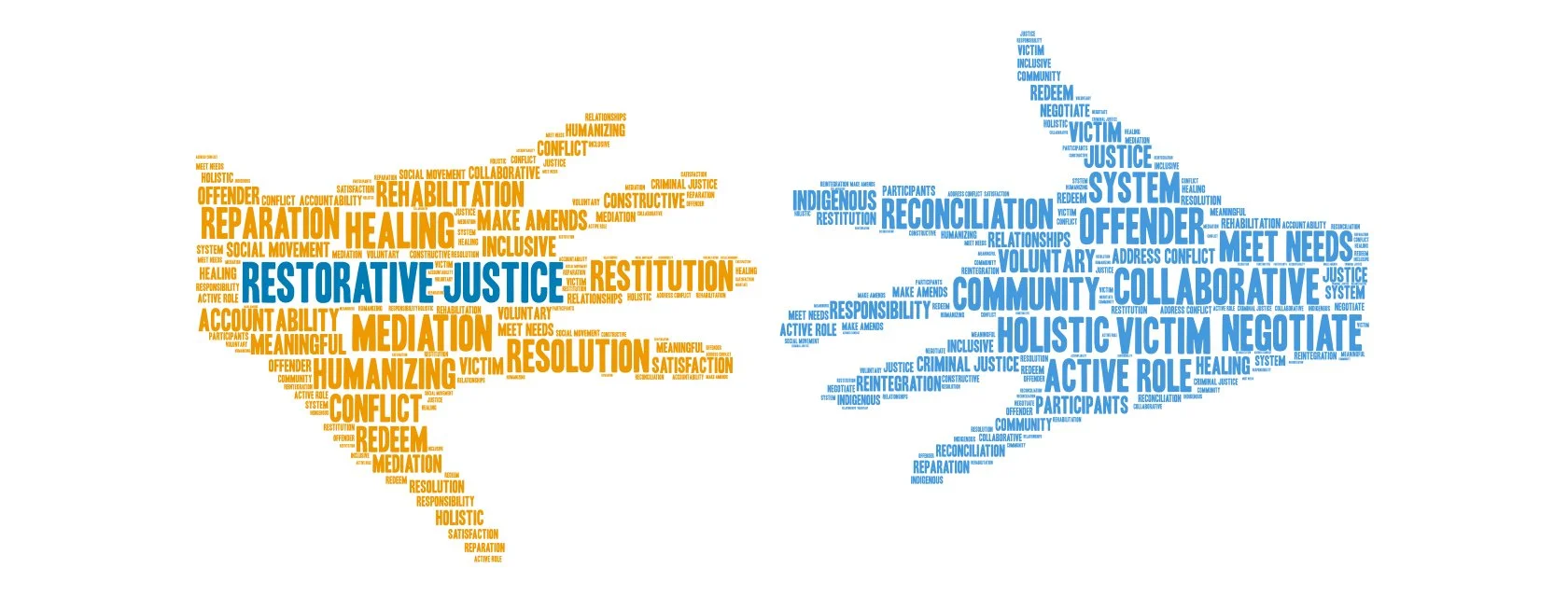
Restorative Justice for Minors in Arlington

Virginia state law authorizes a "youth justice diversion program", an alternative and more favorable approach to resolve minor offenses outside of the formal juvenile court process. Instead of appearing in front of a traditional judge, minors may participate in a “peer court,” where trained youth volunteers serve in advocacy and fact‑finding roles under adult attorney supervision.
Why does this matter? Youth who go through these programs are less likely to reoffend because they're held accountable by their peers, repair affected relationships and improve through community support. It costs less than formal court. And critically, it helps young people avoid getting a juvenile record, which can follow them into adulthood and affect college applications, jobs, and housing.
In Arlington County, there are several ways a young person can be referred into a program such as the Center for Youth & Family Advocacy’s “Youth Peer Court”. Before a formal charge is filed, schools and police can step in. After a charge has been made, intake officers, prosecutors, and judges can still make the call.
Source: Virginia Code, § 16.1-309.11.
What cases are eligible?
If you've been involved in a misdemeanor or a first-time non-violent felony — things like shoplifting, a fight, possession of a substance, or trespassing — you may be eligible. Virginia law allows programs like Youth Peer Court to focus on making things right, not locking you up. Participation is your choice, but you have to be willing to own what happened. In 2024, the Center for Youth and Family Advocacy's Youth Peer Court helped dozens of teens in Arlington work through exactly these kinds of situations — and move forward.
Asking is key!
Diversion is authorized by Virginia law and may be used at the discretion of the referring authorities. Schools and police can offer diversion before a charge is filed, and intake officers, prosecutors, and judges can offer it after. But diversion isn't automatic — someone has to ask. When speaking with police officers or the Arlington County Juvenile Intake Office, minors and their families should ask directly: "Is my case eligible for diversion?" That one question could be the difference between a court record and a second chance.